
Confidence is a Skill, Not a Personality Trait (And How to Train It)

By Gayatri Bhushan | Co-Founder & CEO of Mind Matter Performance | HCPC Registered Chartered Sport & Exercise Psychologist
"She’s just a naturally confident player."
I hear coaches say this all the time. They look at the loudest player in the dressing room - the one puffing their chest out - and assume they are the most confident.
Then they look at the quiet, introverted player and assume they lack belief.
This is the biggest misconception in youth sport. We treat confidence like eye colour or height something you are genetically born with. You either have it, or you don't.
At Science Behind Sport, I teach a different truth: Confidence is not a personality trait. It is a skill.
Just like a bicep curl builds muscle, specific mental drills build belief. And just like a muscle, if you don't train it, it withers.
The Science of "Self-Efficacy"
In psychology, we don't actually use the word "confidence" very often. It is too vague. We use the term Self-Efficacy, coined by the legendary psychologist Albert Bandura.
Self-Efficacy is not a general feeling of "I am great." It is a specific belief: "I have the resources to execute the task in front of me right now."
This is why "Faking it till you make it" rarely works in elite sport. Your brain is a lie detector. If you are standing in the tunnel telling yourself "I am the best," but deep down you know you haven't done the training, your brain won't believe you. Under pressure, the mask will slip.
True confidence comes from Evidence, not arrogance.
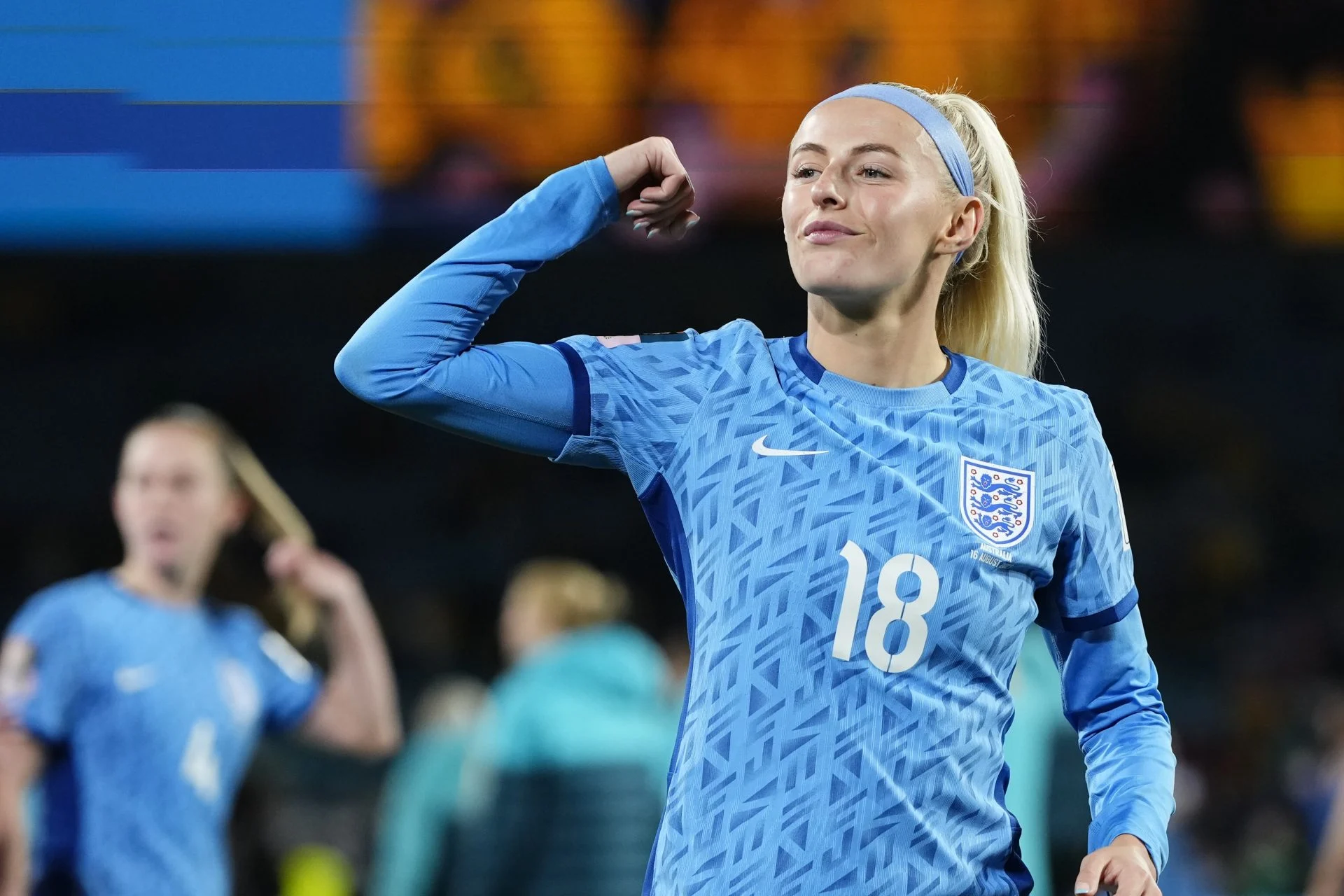
The Confidence Bank Account
Think of your self-belief as a bank account. You cannot withdraw money (confidence) on match day if you haven't made any deposits during the week.
So, how do we make deposits? Bandura identified several sources, but here are the two most powerful ones I use with athletes:
1. Mastery Experiences (The Evidence Log)
The strongest form of confidence is looking back and saying, "I have done this before."
The problem is, human beings have a Negativity Bias. We remember the one missed tackle, but forget the ten successful ones.
To fix this, I have my athletes keep a Wins Journal. Every training session, write down three small things you did well.
- “I held my defensive shape.”
- “I communicated loudly.”
- “I recovered quickly after a sprint.”
Over a month, you build a database of 50-60 small wins. When doubt creeps in before a game, you don't have to hype yourself up. You just look at the evidence. You have proof that you are ready.
2. Vicarious Experience (The "If They Can, I Can" Rule)
This is why representation matters. If you see someone similar to you (same size, same background, same speed) succeed, your brain releases a belief signal.
If you are a young athlete, don't just watch the highlights of Messi or LeBron James. They are aliens. It is hard to model yourself on them. Instead, watch the player one level above you. If you are in the U14s, watch the U16s. If you are on the B-team, watch the A-team. Their success feels attainable. Your brain says, "That is within my reach."
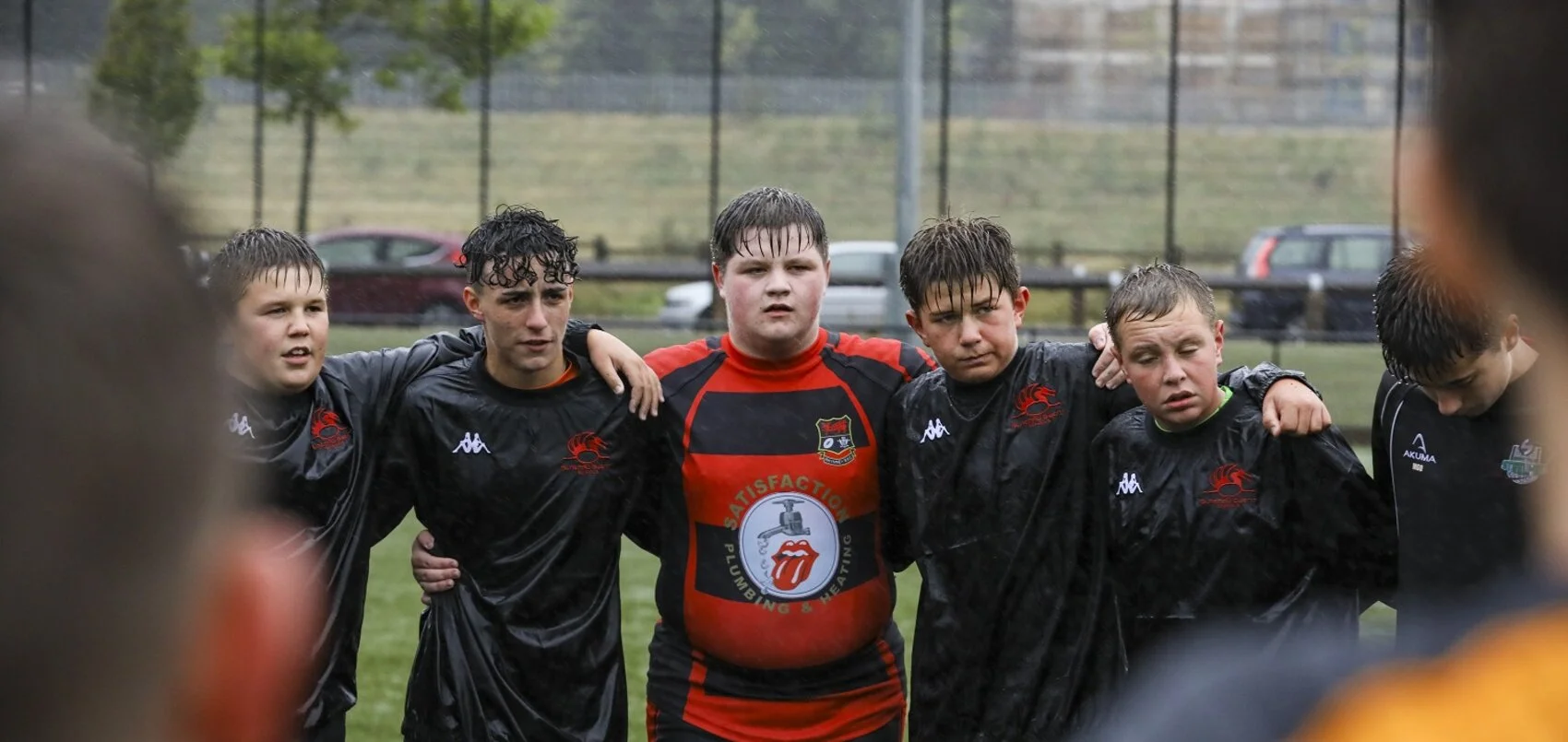
Stop Waiting to "Feel" Confident
Here is the secret: The feeling of confidence usually comes AFTER the action, not before it.
You didn't feel confident the first time you rode a bike. You rode the bike, then you felt confident.
If you are waiting to feel 100% ready before you take the shot, or make the tackle, you will be waiting forever. Trust your training. Trust the evidence you have banked.
In my Applied Basics of Sport Psychology course for Science Behind Sport, we help you build your own 'Confidence Profile', ensuring that when you step onto the pitch, your bank account is full.
Start banking your wins and build elite confidence today. Explore my course.
Gayatri Bhushan, Co-Founder and CEO of Mind Matter Performance, is a Sport & Exercise Psychologist and the newest expert at Science Behind Sport. She has worked with athletes from the Premier League to the grassroots level, helping them unlock the mental edge.
