
Fake It Till You Make It: How Body Language Hacks Your Brain

By Gayatri Bhushan | Co-Founder & CEO of Mind Matter Performance | HCPC Registered Chartered Sport & Exercise Psychologist
Watch a player 10 seconds after they make a mistake.
You don't need to see the scoreboard to know they are losing. The signs are universal:
- Shoulders slumped forward.
- Chin tucked into the chest.
- Eyes staring at the floor.
We call this "low-power" body language. It is the physical shape of defeat.
Most athletes think this is a one-way street. But science tells us it is actually a two-way street: "My body is slumping, so my brain decides I must be sad."
This is the most accessible hack in sports psychology. You can change your mind simply by changing your posture.
The Science of Embodied Cognition
Your brain is constantly scanning your body to figure out how it should feel.
If you stand in a defeated pose (small, closed off), your brain interprets this as a sign of danger or submission. It releases Cortisol (the stress hormone), which increases anxiety and clouds decision-making.
However, if you stand in a dominant pose (chest open, head up, taking up space), your brain interprets this as safety and power. It reduces Cortisol and increases Testosterone (the dominance hormone).
This means you can physically trick your brain into feeling confident, even when you are terrified.

Don't Show The Shark You Are Bleeding
Body language serves a second purpose: Communication.
In the animal kingdom, predators target the weak. If a lion sees a gazelle limping or isolating itself, it attacks.
Sport is no different. Your opponent is constantly scanning you for weakness. If you miss a shot and immediately drop your head, you are sending a signal to the opposition: You are literally giving them energy.
I teach my athletes the "Act the Part" rule. Regardless of how you feel internally, your external shell must remain bulletproof.
Practical Tool: The Big Silhouette
So, how do we apply this in the heat of battle?
I use a cue called Get Big.
When things go wrong - when the goal goes in, or the serve hits the net - you have a 3-second window to intercept the negative feedback loop.
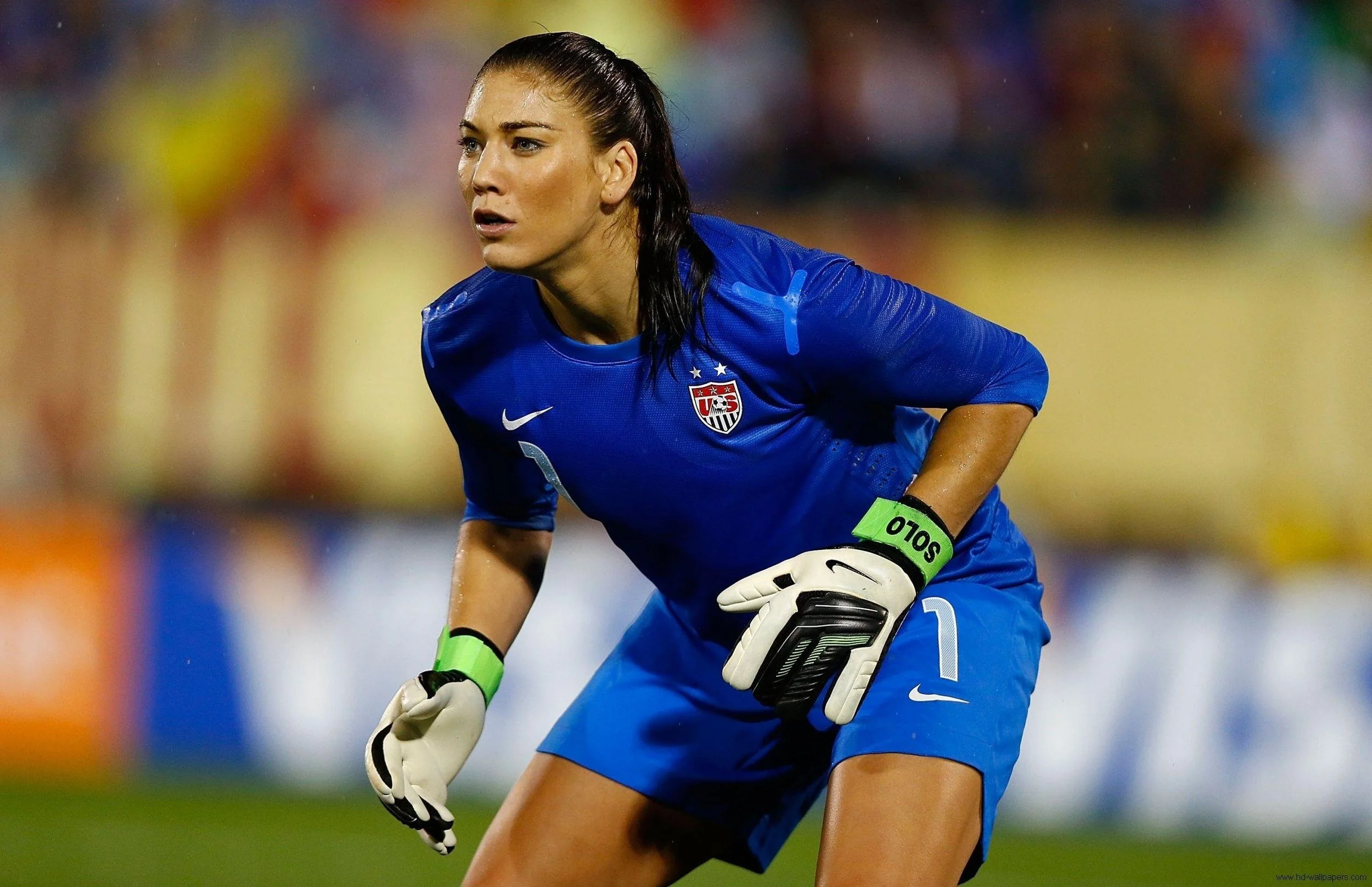
Instead of shrinking, force your body to take up space:
- Chin to the Horizon: Never look at your boots. Look at the goalposts or the top of the stadium.
- Open the Chest: Pull your shoulders back to expose your heart (a signal of fearlessness).
- Hands off Hips: Hands on hips is a passive, tired posture. Keep your arms loose and ready.
Motion Creates Emotion
You might feel silly at first. You might think, "I'm lying to myself."
That is okay. The research shows that if you hold a high-power pose for just two minutes, your neurochemistry begins to change. You don't have to wait for confidence to arrive; you can summon it with your physiology.
So, the next time you walk onto the pitch, don't wait until you score to lift your head up. Lift your head up first, and the score will follow.
In my Applied Basics of Sport Psychology course, we teach you how to build a 'Physical Reset Routine' so that even on your worst days, you still look like a champion.
Change your posture, change your performance. Explore my course today.
Gayatri Bhushan, Co-Founder and CEO of Mind Matter Performance, is a Sport & Exercise Psychologist and the newest expert at Science Behind Sport. She has worked with athletes from the Premier League to the grassroots level, helping them unlock the mental edge.
