
Process vs. Outcome: Why Obsessing Over the Scoreboard Makes You Lose
By Gayatri Bhushan | Co-Founder & CEO of Mind Matter Performance | HCPC Registered Chartered Sport & Exercise Psychologist
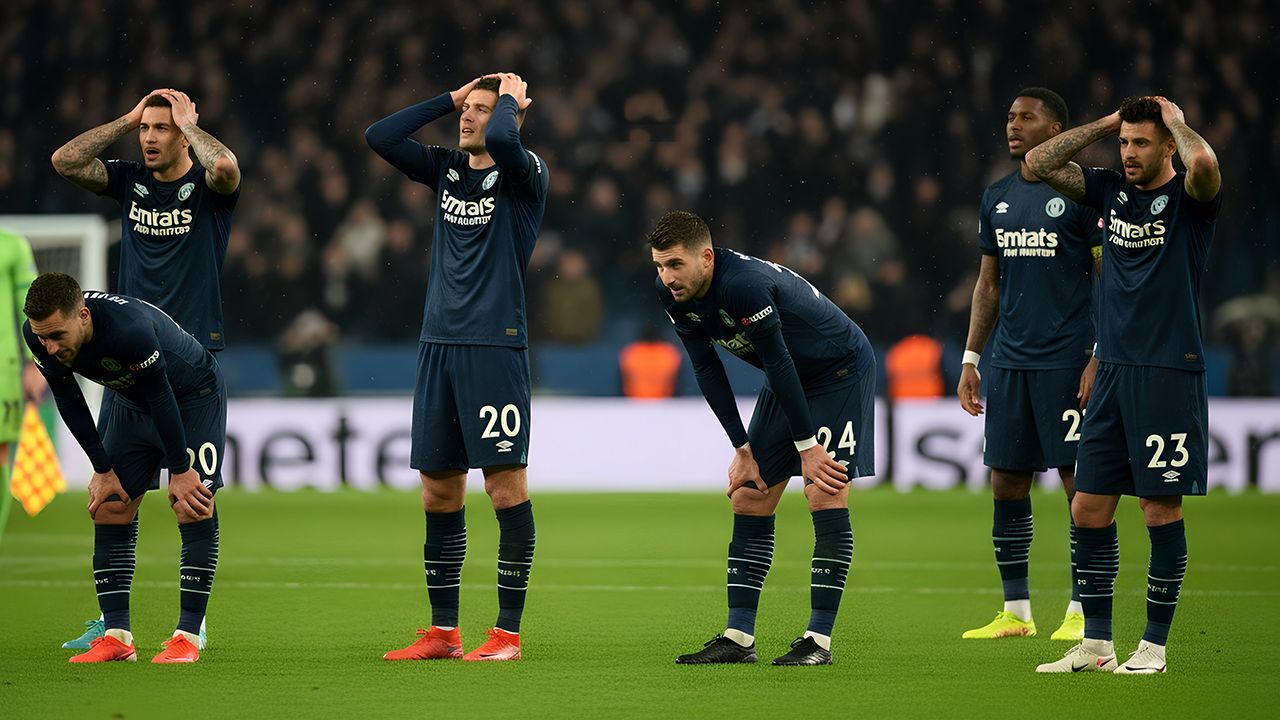
You are 1-0 up with 5 minutes to play.
Suddenly, the energy shifts. The team stops attacking. They start defending deep. They stop playing the passes that got them the lead in the first place. They are so desperate to hold onto the win that they stop doing the things required to win.
Inevitably, the equaliser comes.
We see this in every sport. The tennis player serving for the match who gets "the yips." The golfer on the 18th hole who changes their swing.
Why does this happen?
It happens because the athlete has shifted their focus from the Process (what they are doing) to the Outcome (what they want to get).
In my work with elite athletes, I teach a fundamental truth: You cannot control the result. You can only control the performance.
The Anxiety of the Uncontrollable
The human brain craves control. When we focus on things we cannot control, the brain perceives a threat, and anxiety spikes.
The Outcome is largely uncontrollable. You cannot control:
- The referee’s decisions.
- The weather conditions.
- How well the opponent plays.
- The final score.
When an athlete obsesses over the Gold Medal, they are attaching their self-worth to a variable they do not own. This creates fear. And fear creates tension.
The Process, however, is 100% within your control.
- Your effort.
- Your preparation.
- Your self-talk.
- Your tactical execution.
The Goal Hierarchy
To fix this, we need to restructure how we set goals. In my Sports Psychology Applied Basics course, I use a three-tier model:
Outcome Goal ( The "What"): e.g., Win the 100m race.
Problem: If Usain Bolt is in the next lane, you can run a Personal Best and still lose.
Performance Goal (The "Benchmark"): e.g., Run under 10 seconds.
Better: This is about you, but external factors (wind, rain) can still affect it.
Process Goal (The "How"): e.g., Drive hard for 30m. Relax shoulders. High knees.
Best: You can achieve this regardless of the weather, the opponent, or the referee.
How to Apply This: The "WIN" Philosophy
If you are a coach or a parent, the language you use matters.
When a child finishes a game, the first question is usually: "Did you win?" This reinforces Outcome Focus. It tells the child that the result is the only thing that matters.
Instead, try asking: "Did you stick to your plan?" or "Did you work hard?" This reinforces Process Focus.
I teach my athletes the acronym W.I.N. What’s Important Now?
- Minute 89 of the match? What’s important now? Not the trophy. It’s keeping your defensive shape.
- Down break-point in tennis? What’s important now? Not the fear of losing. It’s the ball toss.
The Paradox of Success
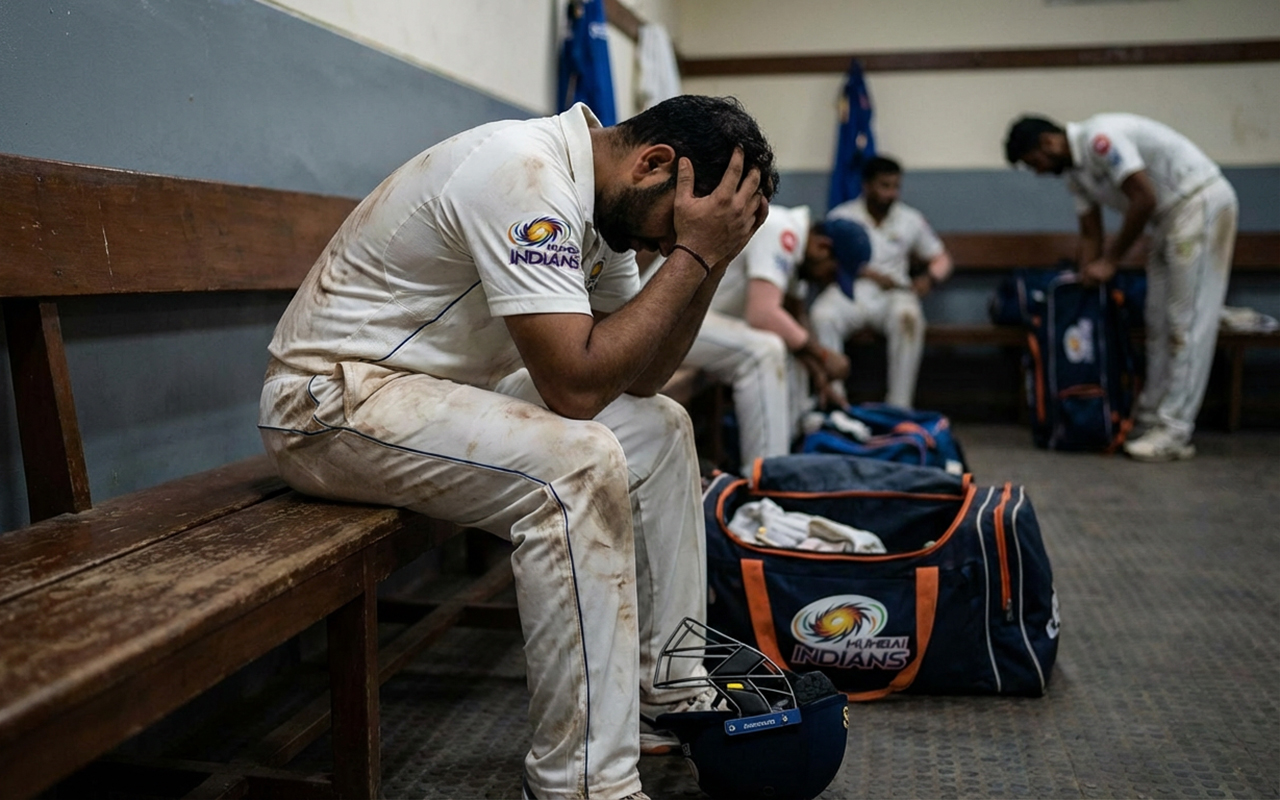
This is the great paradox of elite sport: The athletes who win the most are usually the ones who think about winning the least.
They are so immersed in the technique, the tactic, and the moment, that the score takes care of itself.
Stop looking at the scoreboard. Start looking at the job in front of you.
Focus on the process. The results will follow. Find out more with the Science Behind Sport Applied Basics Sports Psychology course.
Gayatri Bhushan, Co-Founder and CEO of Mind Matter Performance, is a Sport & Exercise Psychologist and the newest expert at Science Behind Sport. She has worked with athletes from the Premier League to the grassroots level, helping them unlock the mental edge.
